

Most teams think rendering is the final polish.
It’s not.
In growing eCommerce and retail tech companies, the real slowdown often hides inside the 3D modeling and rendering workflow, not in engineering, not in marketing, but in how digital product assets are created and managed.
Here’s the truth:
If your 3D product rendering process depends on manual coordination, disconnected CAD exports, and one-off visual requests, it will not scale.
It will stall product launches.
It will create revision loops.
And it will quietly increase cost per release.
Rendering is the process of turning a digital model into a final image or animation.
But in a scaling environment, rendering is not just about the final image.
It’s about operational leverage.
When 3D modeling is creating isolated visuals instead of structured 3D assets, the system breaks down. Your product designers work in CAD. Your marketing team requests photorealistic product images. Your developers need optimized assets for 3D configurators or augmented reality.
And no one owns the entire product workflow.
That disconnect is the real bottleneck.
The companies that move faster treat 3D product modeling as infrastructure, not decoration.

3D Rendering vs Product Photography
The usual conversation around 3D rendering vs product photography focuses on aesthetics.
Which looks more real?
Which is more photorealistic?
That’s the wrong debate.
The better question is:
Which scales?
Product photography depends on physical prototypes.
It requires logistics, reshoots, and studio scheduling.
Every variant means another session.
3D product rendering works differently.
Once you create an accurate 3D model from CAD files or 3D CAD systems, you can generate unlimited product views.
Different materials.
Different lighting.
Different environments.
A 360 product view.
Even interactive 3D or 3D animation.
No warehouse required.
Rendering is the final stage, but modeling is used to build the foundation. A single 3D model can power:
- Marketplace product images
- 3D product configurators
- Online shopping experience upgrades
- AR previews
- Internal product visualization
- Sales presentations
And you don’t need to recreate assets each time.
Photorealistic rendering can simulate real-world materials, lighting, and environments before a physical prototype exists. That changes how products move through design and development.
Instead of waiting for something to be manufactured, you can explore a product digitally.
Depending on the complexity, advanced 3D modeling tools and rendering software can create photorealistic 3D outputs that are indistinguishable from a 2D image captured in a studio.
But the bigger advantage isn’t visual.
It’s structural.
You’re not paying per shoot.
You’re building reusable digital infrastructure.
That’s the real shift in 3D rendering vs traditional methods.
Why Most Product Rendering Services Don’t Scale
Here’s where things quietly break.
Most product rendering services operate like creative vendors.
You send CAD files.
They return high-quality 3D product rendering outputs.
Maybe an animation.
Maybe a few product views.
It looks good.
But the workflow is fragile.
There’s no structured asset library.
No standardized rendering process.
No version control for 3D assets.
No integration with your product development pipeline.
When product designers update design intent, the digital model often has to be rebuilt. When marketing requests new product images, someone manually coordinates changes. When engineering modifies dimensions in CAD, the 3D modeling projects restart from scratch.
That’s expensive.
And slow.
The problem isn’t the quality of the 3D artists.
It’s the system.
Many studios focus on creating photorealistic outputs, not building scalable 3D modeling design services. They treat each project as a creative event rather than part of an evolving digital product ecosystem.
But scaling teams need more than visuals.
They need:
- Clean CAD to 3D modeling pipelines
- Standardized modeling tools
- Consistent rendering engines
- Organized 3D assets
- Repeatable modeling and rendering processes
3D modeling applications today can support complex 3D environments, immersive product visualization, and interactive 3D experiences.
But without the right 3D workflow, those capabilities sit unused.
The benefits of 3D product systems compound only when you treat modeling and rendering as long-term infrastructure.
Not one-off production.
If your current process of creating models feels like manual coordination between product designers, marketing, and external vendors, it will not support high-quality products at scale.
The real competitive advantage isn’t better lighting.
It’s better structure.
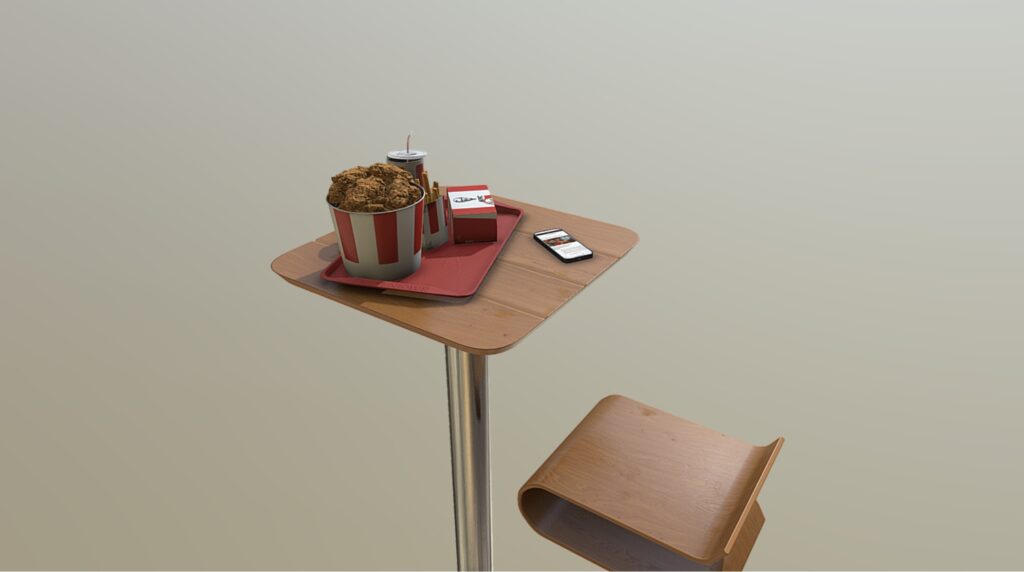
Modeling and Rendering Across the Entire Product Lifecycle
Most teams still use 3D product rendering at the end.
After engineering.
After industrial design.
Right before launch.
That’s backwards.
If you want speed, you use 3D from the beginning of the product design process.
Start with CAD.
Modern 3D CAD systems already contain the design intent. Those CAD files are not just engineering artifacts, they are the foundation for structured 3D product modeling.
When you create 3D models early, you unlock something powerful:
Continuity.
Instead of rebuilding product models for marketing later, you evolve them. The same detailed models used in industrial design can power:
- Internal reviews
- Pre-launch product views
- Sales decks
- A 360 product view
- Ecommerce product pages
- 3D animation
- Interactive demos
This is where the benefits of 3D product systems compound.
Product rendering is the process of translating a digital model into a final output that shows what the product will look like in the real world. But when modeling and rendering are integrated into the broader workflow, they do more than generate images.
They reduce rework.
They surface design flaws earlier.
They improve alignment between engineering and marketing.
Instead of waiting for a physical prototype, teams use 3D visualization to explore the look and feel of a product before production. That shortens the path from concept to market.
The companies that scale don’t “add rendering.”
They build 3D modeling and rendering into the entire product lifecycle.
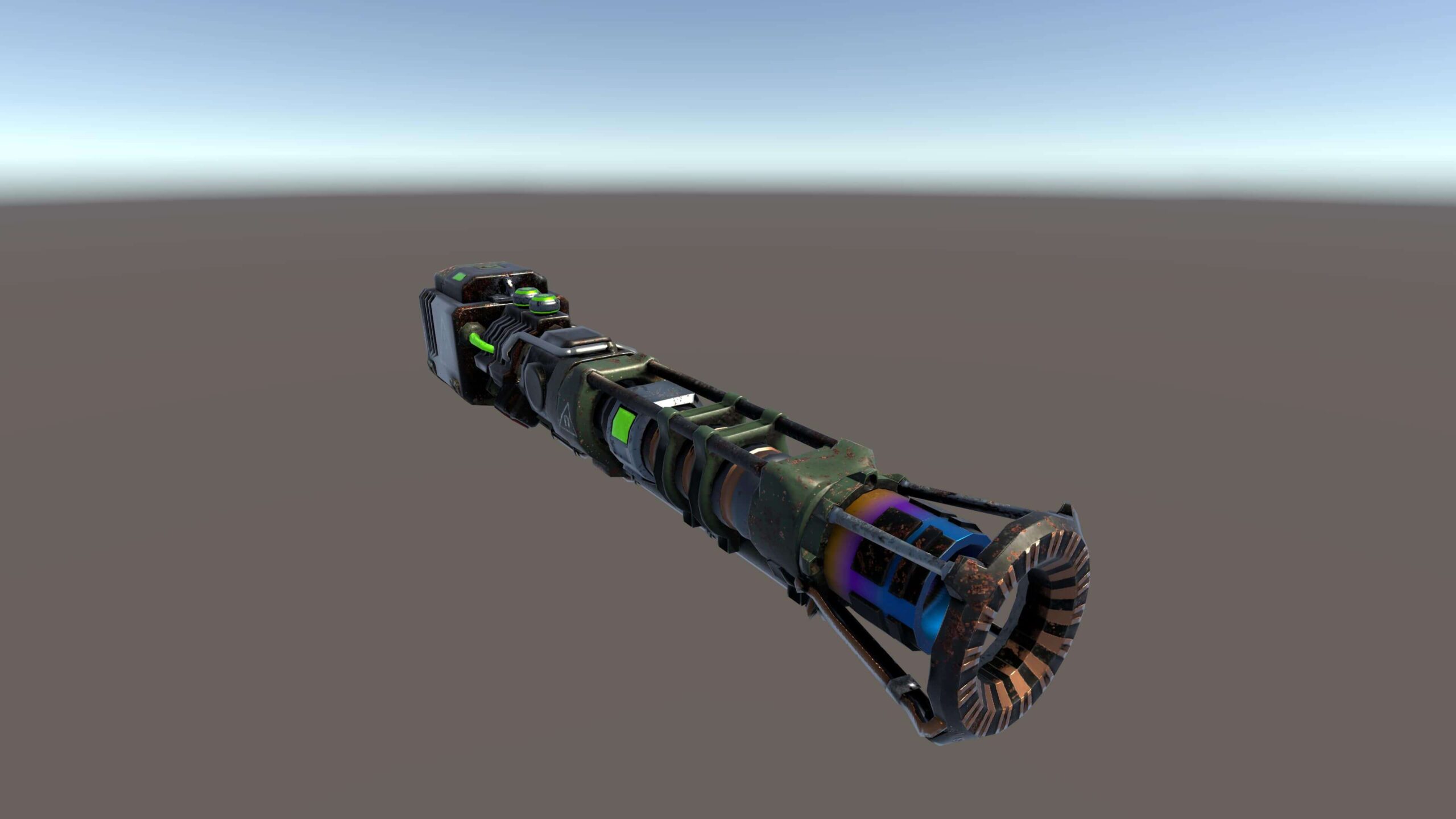
How to Use 3D Product Systems as Infrastructure
If you want to use 3D product capabilities strategically, you need a shift in mindset.
3D modeling is not a creative service.
It’s a system capability.
The right 3D setup includes:
- Structured CAD-to-visual pipelines
- Consistent 3D design standards
- Documented modeling services workflows
- Defined rendering process stages
This means choosing 3D modeling software and rendering engines intentionally, not randomly. Whether teams rely on advanced 3D software like enterprise CAD platforms or tools like Blender, what matters is consistency.
Creating 3D assets should follow common techniques and shared standards.
File naming.
Version control.
Asset libraries.
Material systems.
Without structure, creating 3D becomes a manual task each time.
With structure, it becomes scalable.
Applications of 3D modeling go far beyond static images:
- Configurable ecommerce experiences
- Immersive customer experience environments
- Interactive demos
- Sales enablement
- AR previews
- Training simulations
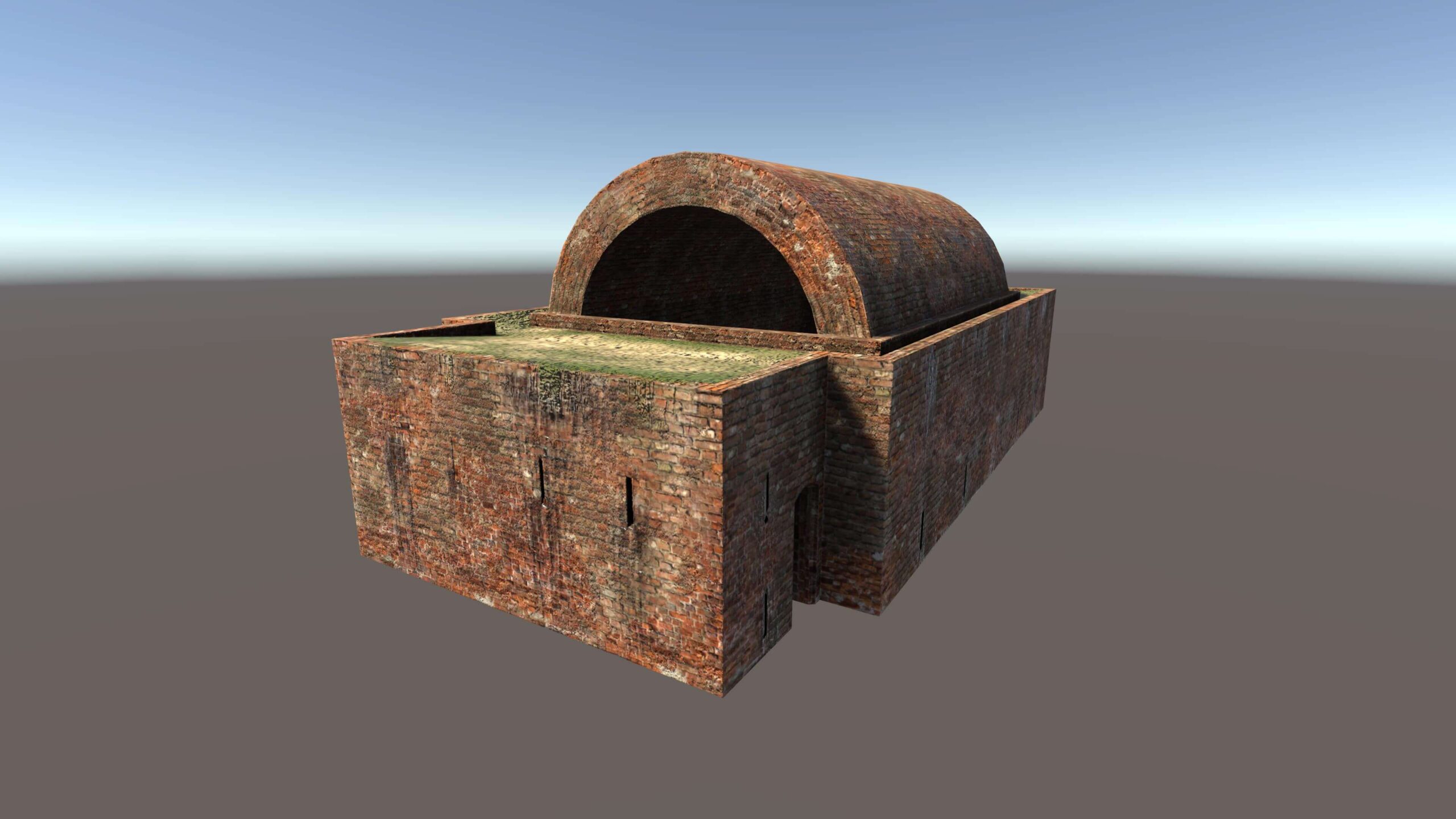
The key is not just to create 3D models.
It’s to design a 3D rendering process that supports product design, engineering updates, and go-to-market needs without friction.
That’s how you move products to market faster, without adding operational weight.
Choosing the Right 3D Modeling and Rendering Partner
Most modeling services optimize for visuals.
Scaling teams need partners who optimize for systems.
When evaluating 3D product rendering support, look beyond portfolios. High-quality images are easy to showcase. Sustainable workflows are harder to see, and far more important.
Ask practical questions:
- How do you manage CAD updates?
- What happens when we revise dimensions?
- Can we reuse assets across product lines?
- How do you document the 3D rendering process?
- Can you support creating 3D assets for future applications of 3D modeling?
The right 3D partner understands that product rendering services should integrate with your internal design process, not sit outside it.
They should help you:
- Standardize modeling and rendering
- Build reusable product models
- Maintain detailed models over time
- Support iterative 3D design changes
- Anticipate how products will scale
Depending on the complexity of your catalog, structured 3D modeling applications can make all the difference between linear growth and compounding efficiency.
Because at scale, the question is not:
“Can we create photorealistic visuals?”
It’s:
“Can our 3D modeling and rendering system evolve with our products?”
If the answer is no, your rendering process will eventually become a constraint.
If the answer is yes, it becomes infrastructure.
And infrastructure, not aesthetics, is what drives sustainable advantage.
Is Your 3D Rendering Process Built to Scale?
At some point, every growing team faces the same question.
Is our rendering and modeling workflow helping us move faster, or quietly slowing us down?
3D product rendering is not just about creating photorealistic product views.
It’s about building structured 3D product modeling systems that start with clean CAD, support product design decisions, and extend across the entire lifecycle.
When your 3D model evolves with engineering updates, when your rendering process supports animation, configurators, and 360 product view experiences, you stop reacting, and start operating strategically.
That’s where Lerpal comes in.
We don’t treat 3D rendering as a visual add-on.
We help teams build scalable modeling services that align with CAD workflows, product design systems, and long-term growth. From creating 3D assets to refining product models for launch, our focus is structure, clarity, and repeatability.
If you’re evaluating 3D rendering vs traditional approaches, or looking to learn what 3D infrastructure could unlock for your team, we’re here to help.
If your current workflow feels fragmented, let’s fix it.
Contact Lerpal to build a 3D modeling and rendering system that scales with your products, not against them.